
Used surplus parachutes for sale show up in all kinds of conditions, from canopy only lots to more complete assemblies. Every listing should tell you what’s included, plus the basics like approximate canopy size, material type, and clear photos so you can judge wear, repairs, and overall shape.
If you’re buying for fabric, shade, event builds, or other reuse projects, start with size and condition, then work backward into how you’ll cut, hang, or anchor it. We can ship nationwide, or you can pick up at the warehouse listed on the product page.
- Display 51 Products per page
What You’re Actually Buying When You Buy Surplus Parachutes
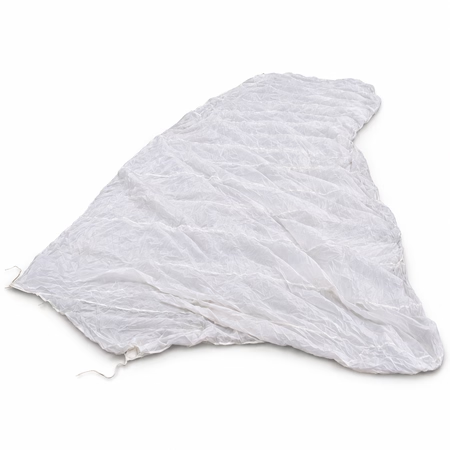
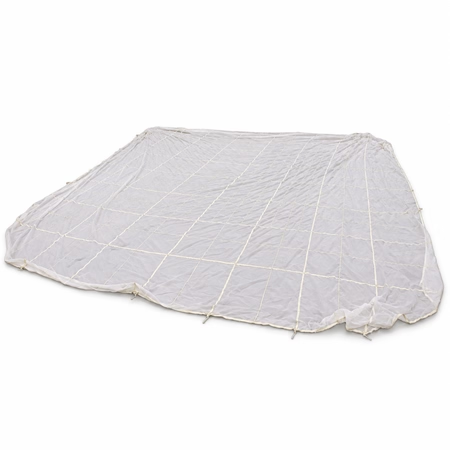
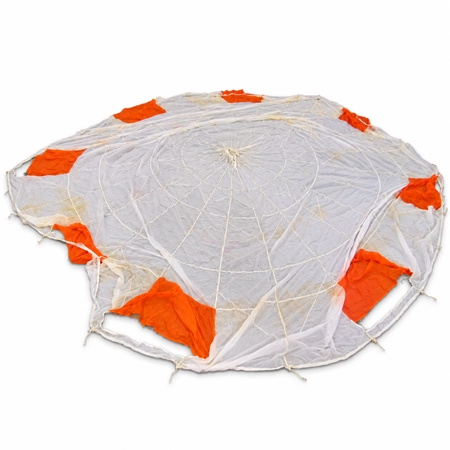
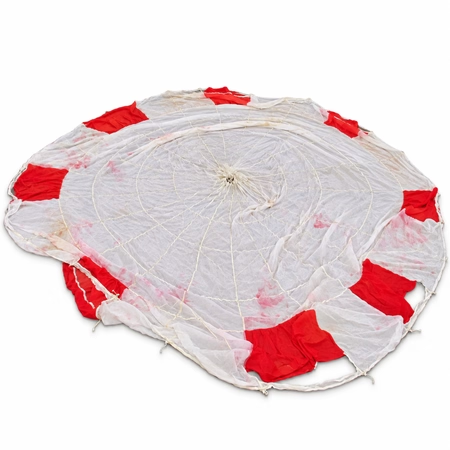
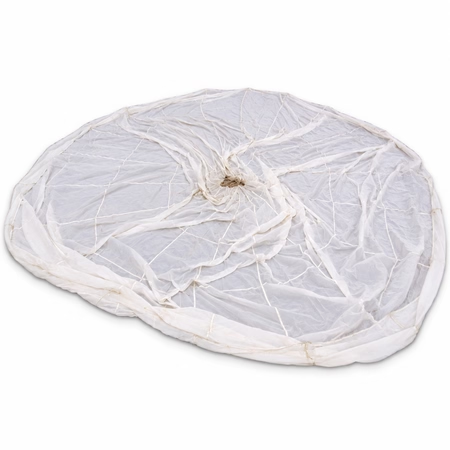
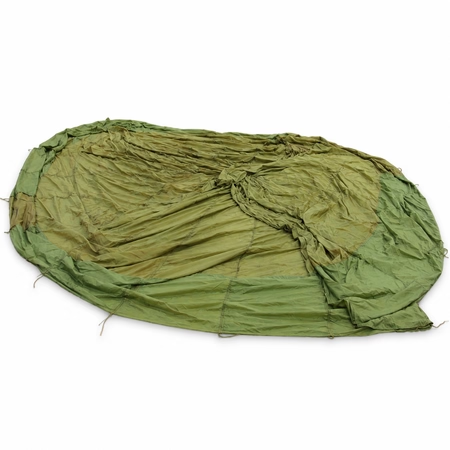
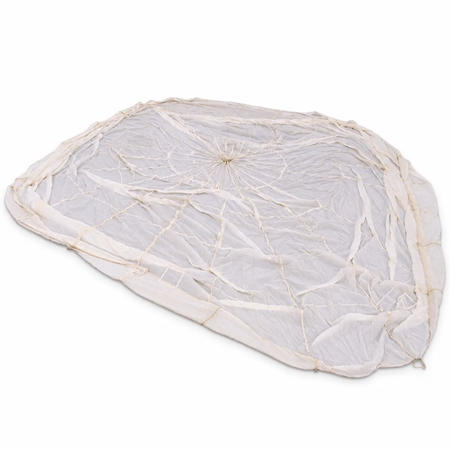
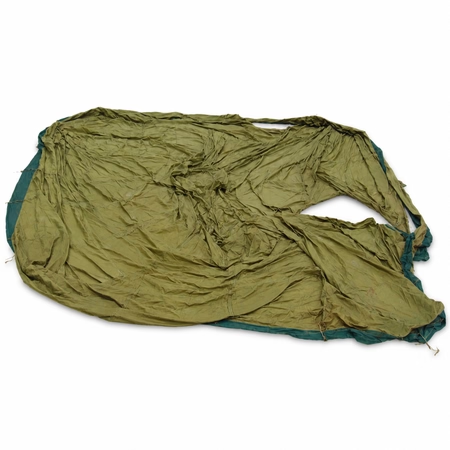
Surplus parachutes usually fall into a few buckets: canopy only, partial assemblies, or mixed lots that include pieces like suspension lines, risers, or a deployment bag. The listing should make it clear what’s included, since surplus gear is often incomplete and parts don’t always match.
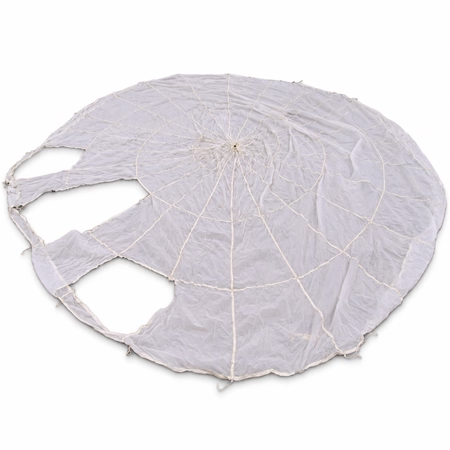
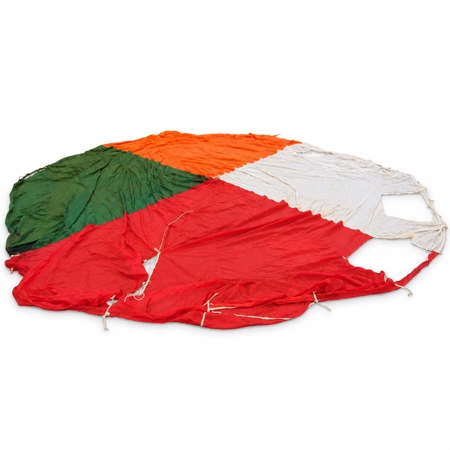
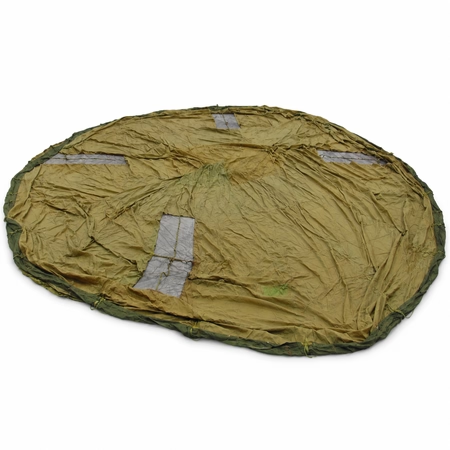
If you’re buying for reuse projects, the canopy is typically the main value. Pay attention to material type, overall size, and any notes on staining, patches, seam repairs, or frayed line sections. When photos show the skirt and apex areas clearly, it’s easier to judge how the canopy has held up in storage and handling.
Common Uses for Surplus Parachutes
A lot of people buy surplus parachutes for the canopy material. The fabric is lightweight, packs down small, and gives you a big surface area to work with for non life-safety projects.
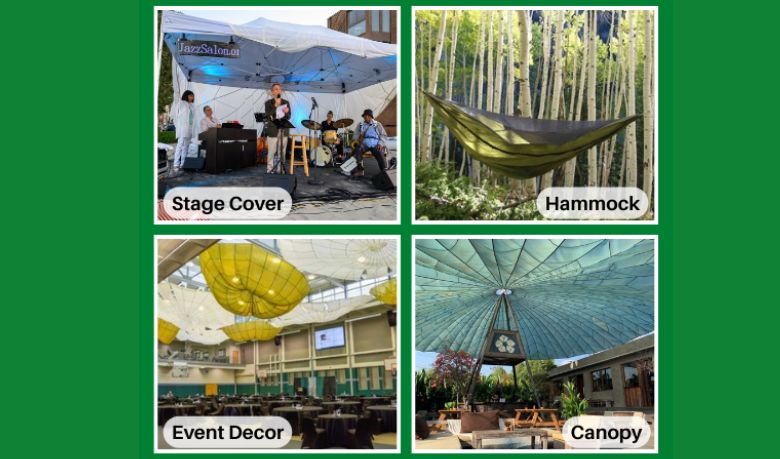
Depending on size and condition, parachute canopies get repurposed for shade coverage, event and stage backdrops, overhead decor, temporary covers, and sewing projects where you want durable nylon panels. If you need tie-off points or clean edges, look for listings with intact perimeter seams, reinforcement tape, and minimal edge wear.
Size, Shape, and Material Basics
Most surplus parachute listings come down to three things buyers care about fast: canopy size, canopy shape, and fabric type. Size is usually described by diameter or overall coverage, and it matters for both fabric yield and how much area you can cover if you’re building shade or a backdrop.
Shape affects how the canopy hangs and tensions. Round canopies, as used in the military and drag racing, tend to drape evenly, while other designs can create a different look and a different pull at the edges. Material is often nylon, commonly ripstop, and details like coating, feel, and thickness will vary by source and age. When the listing includes close-up photos of seams, reinforcement tape, and the edge, you can get a better read on durability before you buy.
Condition Checks That Matter Before You Buy
Because these are used surplus parachutes, condition can range from clean, lightly handled canopies to pieces that have stains, patches, or storage wear. Start by checking the fabric for pinholes, small tears, and abrasion spots, especially around the edge and high-stress seam areas. Close-up photos of stitching and reinforcement tape help you spot pulled threads or repairs that were done quickly.
If lines or hardware are included, look for fraying, knots, and corrosion. Storage issues can show up as mildew spotting or a strong odor, so any listing notes about staining or smell are worth paying attention to if you’re using the fabric indoors or for event installs.
Safety Note for Functional Use
Surplus parachutes are sold as used materials, and history is often unknown. If you’re considering any functional or life-safety use, don’t assume it’s ready to go. Have it inspected by a qualified rigger or rigging loft first, and plan on replacing components as needed based on what they find.
For most buyers, the practical use case is reuse projects like fabric, shade, and event builds. In those situations, the main focus is typically canopy size, material, and condition, plus clear photos that show seams, edges, and any repairs.